

A flat image can feel lifeless. Add texture, and suddenly it tells a deeper story. Texture is one of the most underutilized yet powerful tools in photography and photo editing. Whether captured during shooting or applied during post-processing, texture fundamentally changes how viewers perceive and emotionally respond to images. Understanding texture’s impact can elevate your photography from ordinary to exceptional.
What is Photo Texture and Why It Matters
Photo texture refers to the visible surface quality and tactile elements within an image. Textures might include weathered paint, fabric grain, natural landscapes, film grain effects, or deliberately added overlay patterns. Texture adds dimension, depth, and visual interest that commands attention and creates emotional engagement.
Research shows that images with interesting texture elements receive higher engagement rates on social media and convert better in marketing materials. Texture transforms a simple photograph into a multi-sensory visual experience, even though viewers are only seeing a 2D image.
How Texture Changes Perception
Emotional Impact: Gritty textures evoke rawness and authenticity. Smooth textures convey elegance and refinement. Organic textures feel natural and welcoming. The psychological response to texture is immediate and powerful.
Visual Depth: Texture creates layers and dimension, making flat images feel three-dimensional. This depth draws viewers into the image and holds their attention longer than perfectly smooth, flat photos.
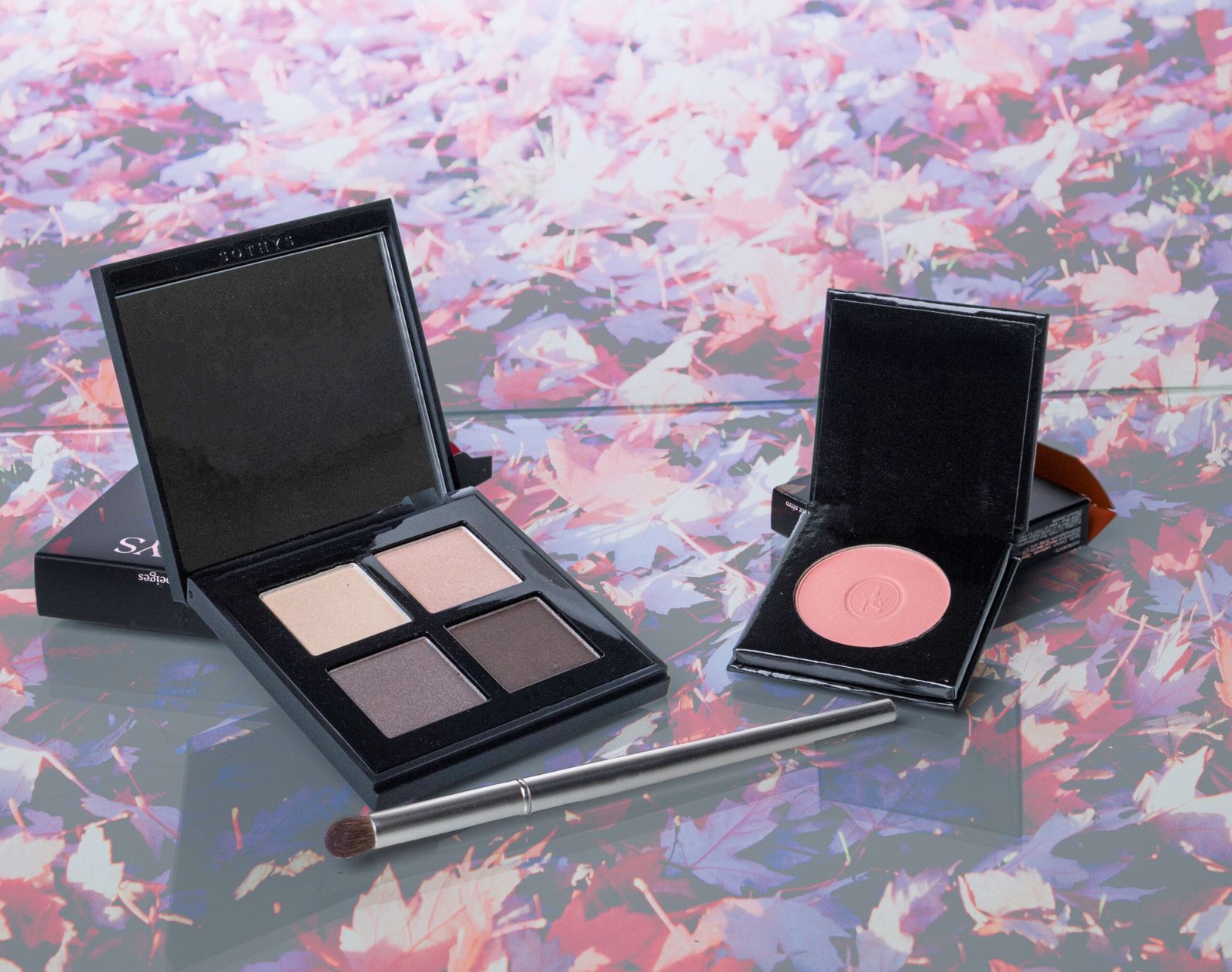
Brand Authenticity: For product photography and commercial work, texture communicates quality and craftsmanship. A luxury cosmetics brand photographed against smooth surfaces feels clinical. The same product against textured wood or fabric feels artisanal and premium.
Storytelling: Texture adds context and narrative. A portrait against a textured brick wall tells a different story than the same portrait on white paper. The texture becomes part of the subject’s story.
Practical Texture Applications
During Photography
Intentionally include textured backgrounds and elements during shooting. Natural textures like tree bark, stone, weathered metal, or fabric create authentic visual interest without relying on editing. Environmental portraits gain dimension when shot against textured walls, aged wood, or natural landscapes.

In Post-Processing
Texture overlays, film grain effects, and subtle pattern additions enhance images during editing. Modern photo editing software makes texture application seamless. You can add vintage film grain for nostalgic feeling, canvas texture for artistic depth, or subtle noise patterns for visual sophistication.
Product and E-Commerce Photography
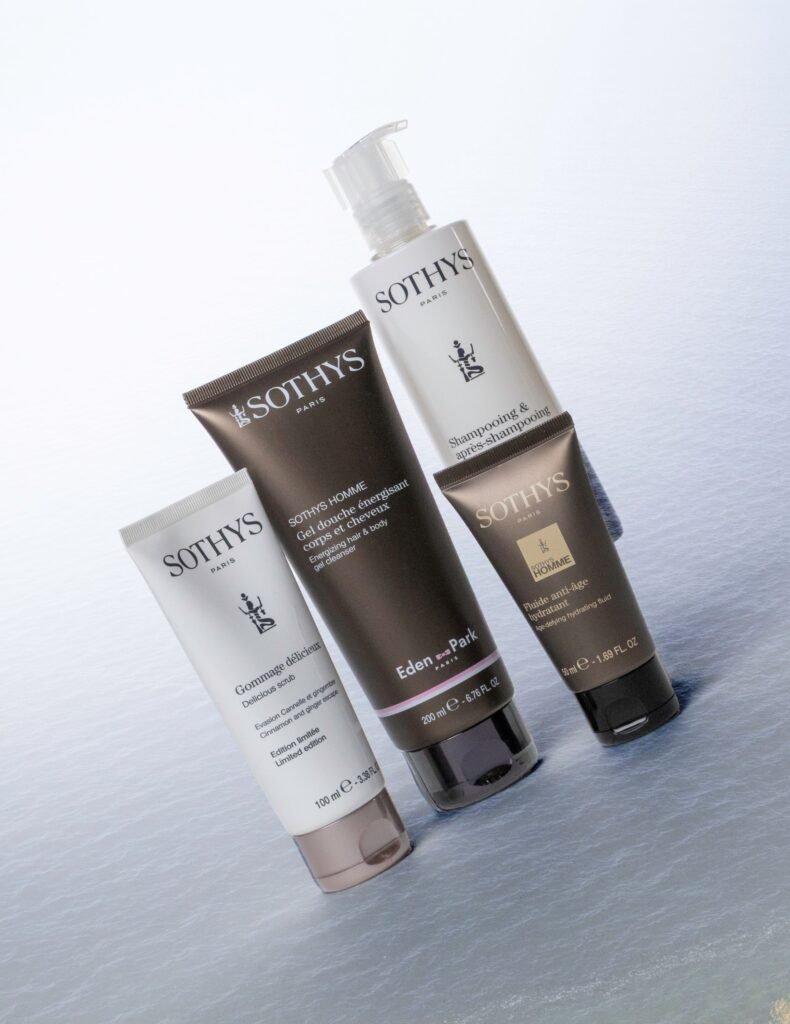
Adding textured backgrounds elevates product photography dramatically. A skincare product photographed on smooth white paper feels generic. The same product on marble, wood, or fabric surfaces communicates luxury and context. Texture transforms basic product shots into magazine-quality imagery that drives e-commerce conversions.
Balancing Texture Effectively
The key is moderation. Too much texture overwhelms the subject and creates visual chaos. Subtle texture enhances; excessive texture distracts. Professional photographers understand this balance—using texture to complement rather than dominate the composition. The texture should serve the subject, not overshadow it.
Ready to transform your photos with professional texture techniques?
Websculptress combines professional photography with expert post-processing to create images with stunning visual depth and emotional impact. From product photography and portraits to commercial content, we understand how texture enhances perception and drives results.
Contact us today to discuss how texture can elevate your visual content and strengthen your brand presence.
Conclusion
Photo texture isn’t superficial—it’s transformative. By intentionally incorporating texture during photography and post-processing, you create images that engage viewers emotionally, communicate quality and authenticity, and stand out in crowded digital spaces. Whether you’re building a product catalog, developing personal branding, or creating marketing content, understanding and mastering texture is essential for modern photography excellence.